



Link
Best AI Dating Profile Photo Tools to Get More Matches

• Reading Time: 8 minute(s)



The best way to think about AI dating photos is this. You are not trying to create a fictional version of yourself. You are trying to look like the best real version of yourself in circumstances you do not happen to have a photo of.
Better lighting, a more flattering setting, a cleaner background, a wardrobe that suits you. All of that is enhancement. Reshaping your jaw, slimming your nose, changing your eye color, or shaving a decade off your age is invention. And invention will backfire, either when the app flags your profile or when your match meets you in person.
Your photo is the first thing anyone sees on a dating app. Not your bio, not your height, not your personality. Your photo. And the decision to swipe or keep scrolling takes about a second.
Most people know their photos could be better. The problem is that booking a professional photographer costs $150 to $500, requires scheduling, and is frankly a bit awkward. So most people just use whatever they have and wonder why they are not getting matches.
That is where AI dating photo tools come in. We reviewed the best tools available so you do not have to figure it out yourself.
Are AI Photos Allowed on Dating Apps?
The short answer is yes, with conditions. No major dating app has an outright ban on AI photos. What they ban is misrepresentation, and that distinction matters a lot.
Tinder does not explicitly ban AI photos but its algorithm actively detects heavily edited images and flags profiles where the photos do not match a live selfie verification. Unverified profiles are increasingly buried in the algorithm, even when no rule has technically been broken.
Bumble has the most aggressive photo verification system of the major apps. Its Deception Detector has reportedly blocked up to 95% of flagged fake accounts and saw a 45% drop in spam and fake profile reports after launch. Bumble also added a specific reporting category that lets users flag profiles for using AI-generated photos.
Hinge markets itself as the dating app designed to be deleted and emphasizes genuine connections. Its community guidelines discourage misleading photos but natural-looking AI photos that accurately represent you tend to work fine.
The rule across all platforms is the same: enhancement is fine, invented faces are not.
Your photos are just the start. Is your bio costing you matches too?Top 20 Dating Profile Bios You Should Never Use
Will People Know You Used AI?
Maybe, if you overdo it. Over-smoothed skin, suspiciously perfect lighting in every shot, or a face that looks slightly different in every photo are all things people notice, even if they cannot name exactly what feels off.
The friend test is the cleanest check. If two people who know your face well can recognize you from the photo without any context, you are on the enhancement side of the line. If the photo looks like a slightly better-looking stranger, you have gone too far.
Dating photographer Eddie Hernandez puts it well: AI photos used as enhancement are just like photoshopping your photos. The problem is when they cross into creating a version of yourself that your date will not recognize in person.
And that matters practically. One survey of 1,000 US daters found that 41% said looking significantly different in real life from profile pictures kills attraction outright. A great AI photo that sets up an expectation you cannot meet in person is worse than a mediocre real photo.
Will AI Photos Hurt My Matching Algorithm?
This is where it gets practical. Dating apps are increasingly pushing verified profiles to the top of the deck. On Tinder, verified users get 67% more matches than unverified users.
If your AI photos drift too far from your actual face, your live selfie will not pass verification, and unverified profiles get buried even when no rule has been broken.
The symptoms of being flagged or shadowbanned include matches drying up overnight, your profile no longer appearing to new users, or your verification badge disappearing.
None of these require a moderator to prove your photos are AI. They only require that the photos do not credibly represent you.
The safest approach is to mix AI photos with genuine candid shots. A rough guideline of 70% real photos and 30% AI-enhanced tends to work well across all major apps.
Am I a Catfish If I Use AI Photos?
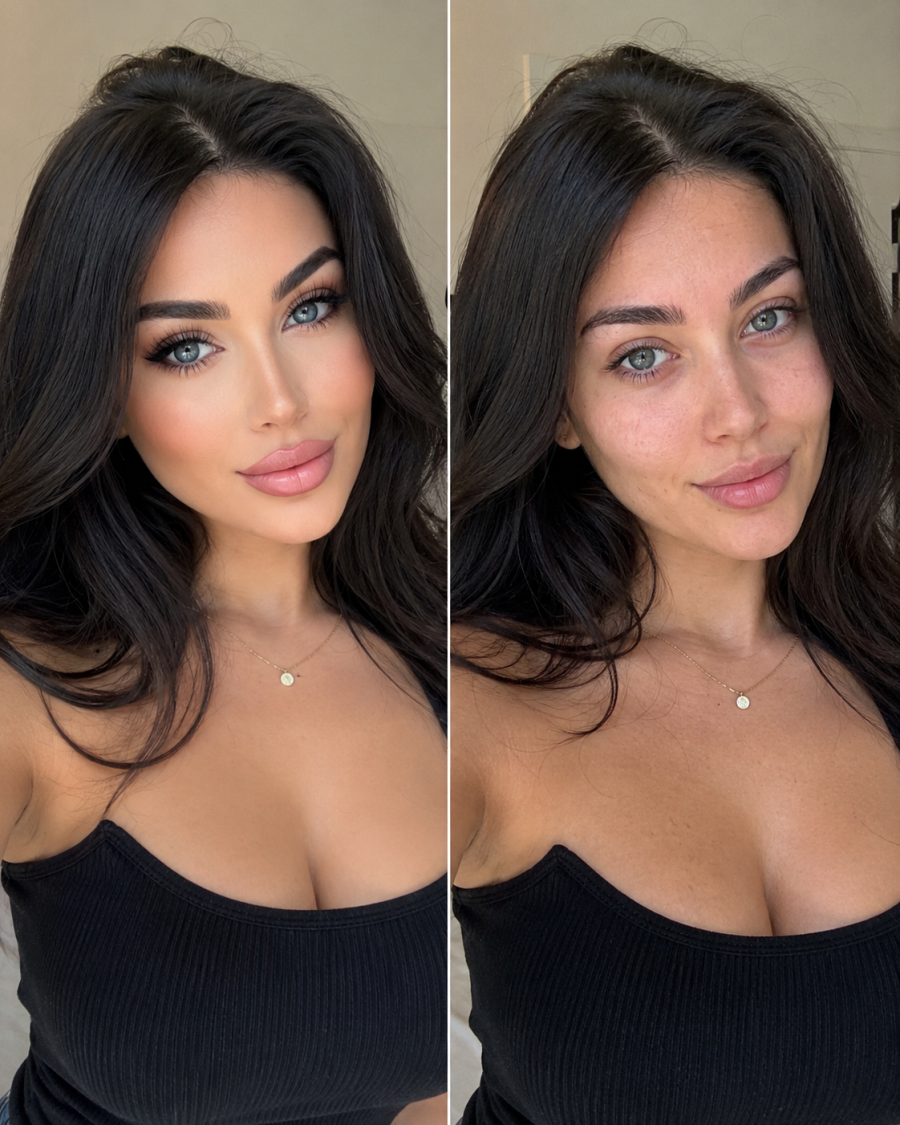
No, as long as the photos accurately represent what you look like. Catfishing, legally and socially, means misrepresenting your identity. AI photos that enhance lighting, wardrobe, or background on your real face sit on the enhancement side of the line.
The friend test works here too. If two people who know you can recognize you from the photo without any context, it is enhancement, not deception.
Where it becomes catfishing is when the AI version of you looks like a noticeably different and better-looking person who your match will not recognize when you meet in person. That is when trust breaks down, and it breaks down fast.
Worried your match might not be who they say they are?Red Flags in a Relationship
The Golden Rule: Enhance, Do Not Invent
Founder of Dating Scout and Author of the book "Online Dating for Dummies"